P or N: The Easy Guide to Their Meaning
P or N usually refers to positive (P) or negative (N), but the exact meaning depends on the subject or ...
Read more
Verbiage or Verbage: The Complete Easy Guide
Verbiage is the standard spelling. It usually means language that uses too many words or overly complicated wording, while verbage ...
Read more
Cue or Queue: Which Is Correct? ⭐
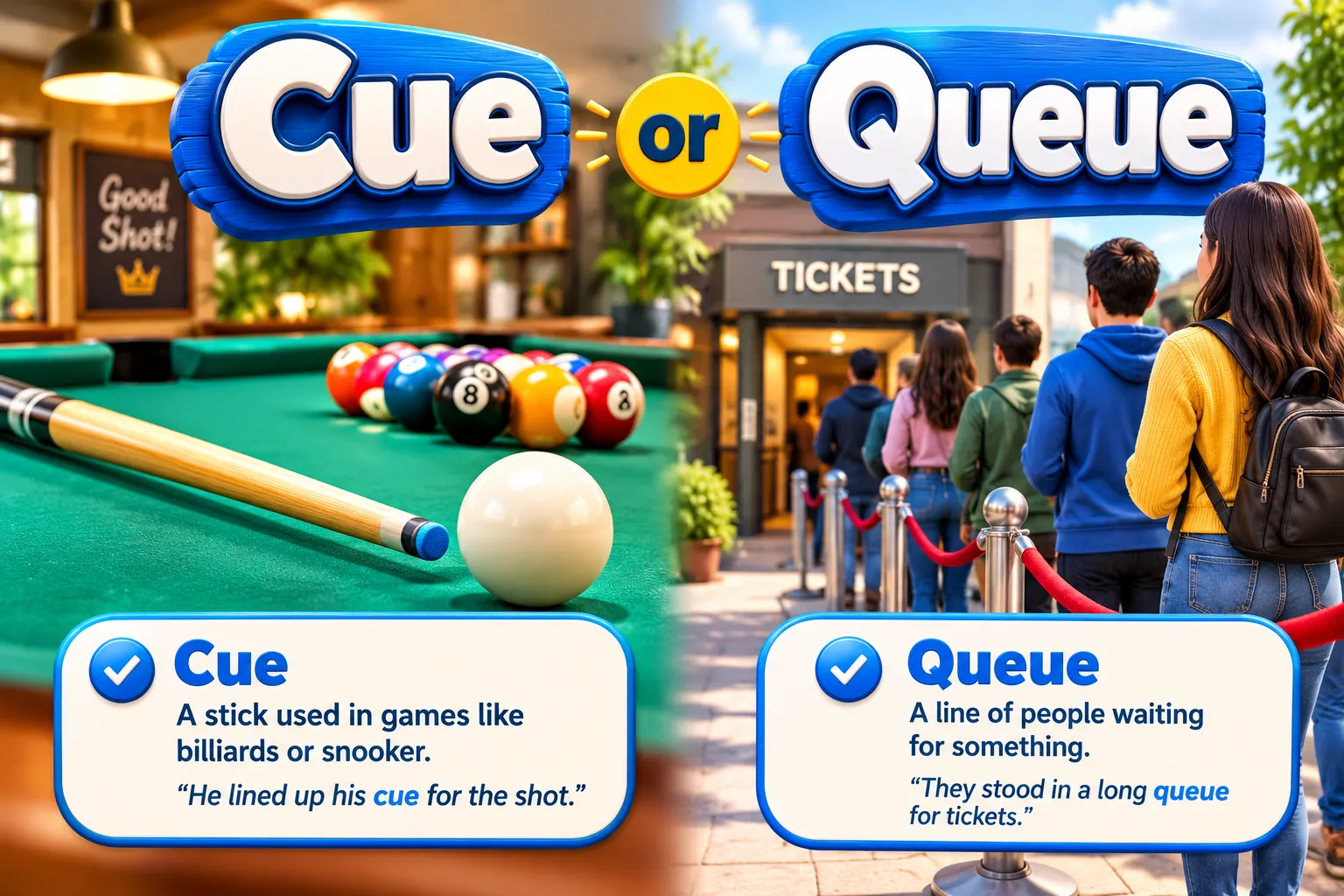
Cue means a signal, hint, or prompt, while queue means a line of people or things waiting their turn. Both ...
Read more
Crow or Raven: Complete Guide to the Difference
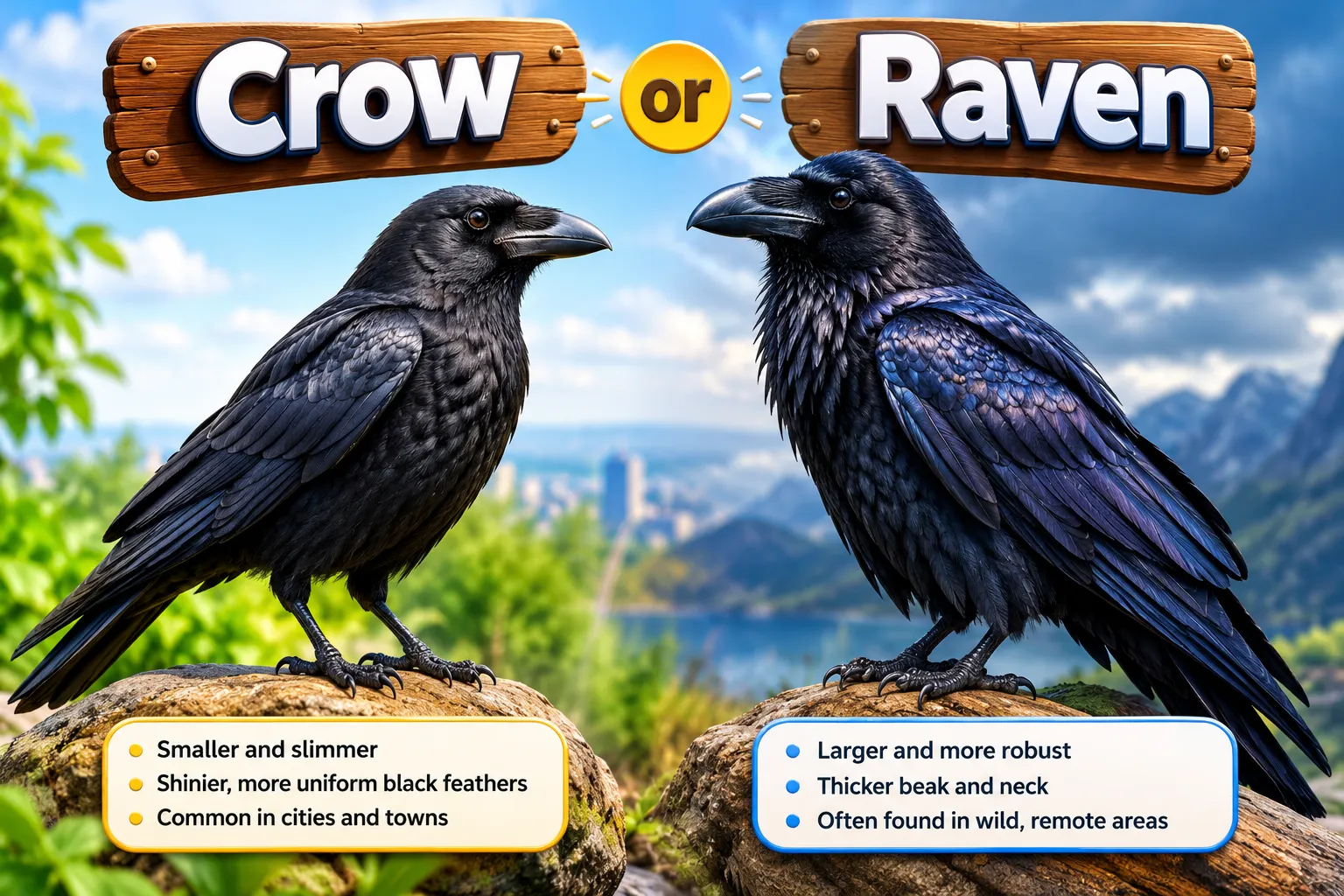
Crow or raven refers to two closely related black birds in the corvidae family, but a raven is generally larger, ...
Read more
CC’d or CC’ed: The Complete Easy Guide
CC’d and CC’ed both mean that someone was sent a copy of an email. CC’d is shorter and very common, ...
Read more
Vidal or Haskins: The Complete 2026 Comparison

Vidal or Haskins usually refers to Kimani Vidal and Hassan Haskins, two NFL running backs who previously competed for opportunities ...
Read more
Family or Fiance: Easy Meaning and Correct Usage

Family or fiance depends on the relationship you mean. Family refers to relatives or people connected as a household, while ...
Read more
Catalog or Catalogue: The Easy Spelling Guide
Catalog and catalogue have the same meaning and pronunciation; catalog is the usual American English spelling, while catalogue is standard ...
Read more
Received or Recieved: The Easy Spelling Rule
Received is the correct spelling. Recieved is a common spelling mistake and should not be used in standard English. Have ...
Read more
Where or Were: The Easy Way to Choose Correctly
Where refers to a place or location, while were is a past form of the verb be. Use where for ...
Read more