Too or To: Easy Guide to Meaning and Usage
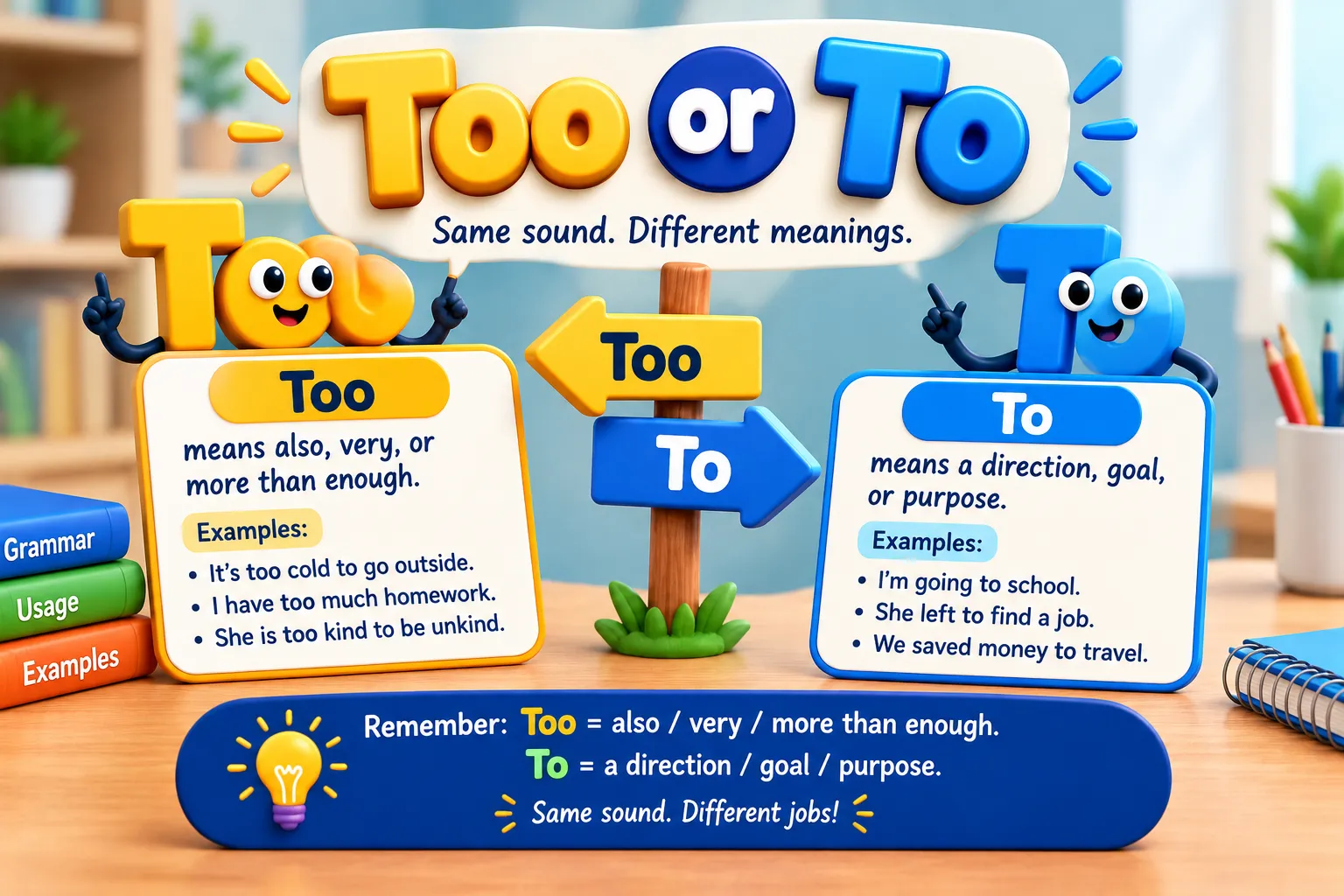
Too means “also” or “more than needed,” while to shows direction, destination, or purpose and is used before a verb ...
Read more
Cancelation or Cancellation: The Easy Spelling Guide
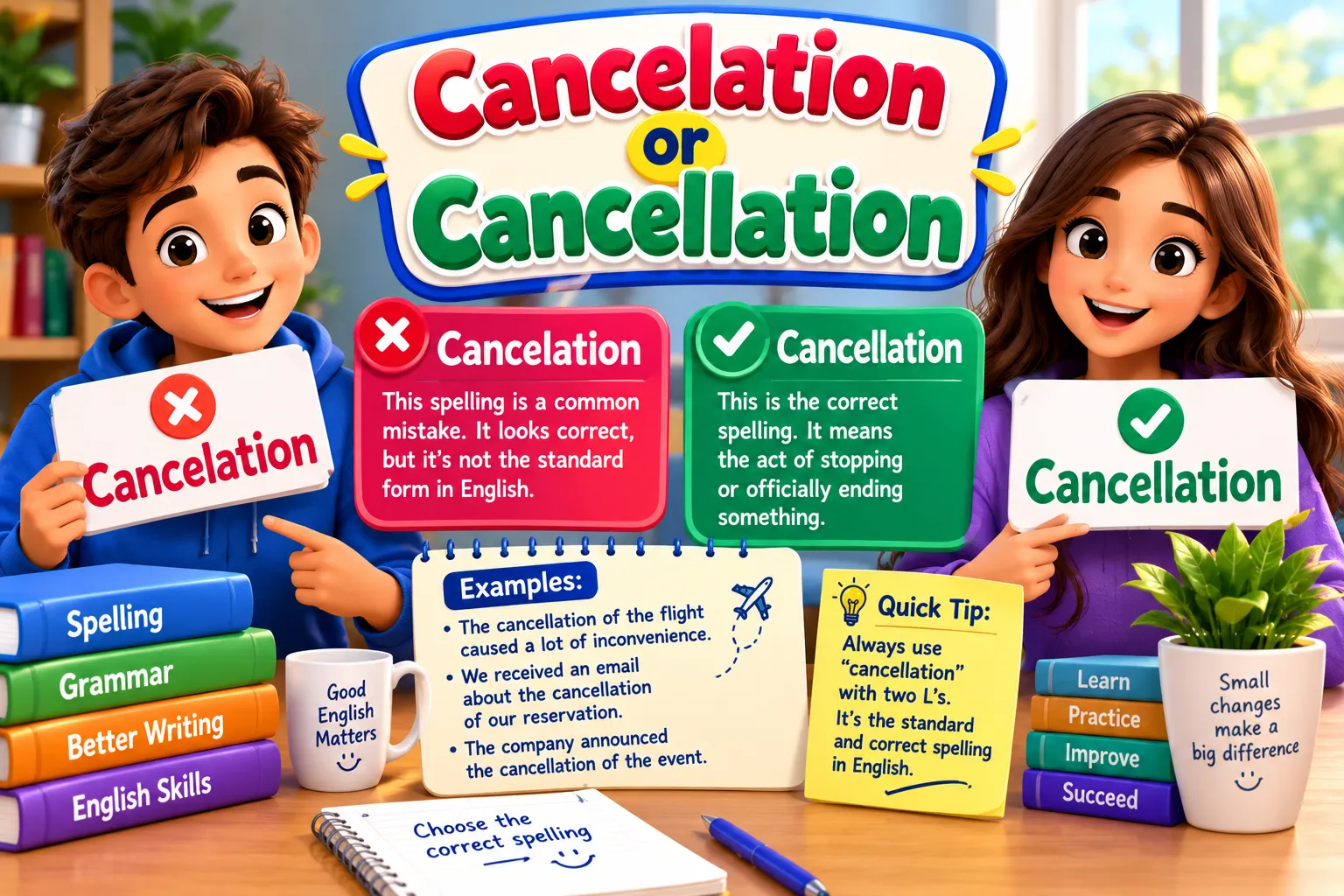
Cancellation is the standard and widely preferred spelling of the noun in English. Cancelation is also accepted as a less ...
Read more
Bougie or Boujee: Easy Guide to Meaning and Usage
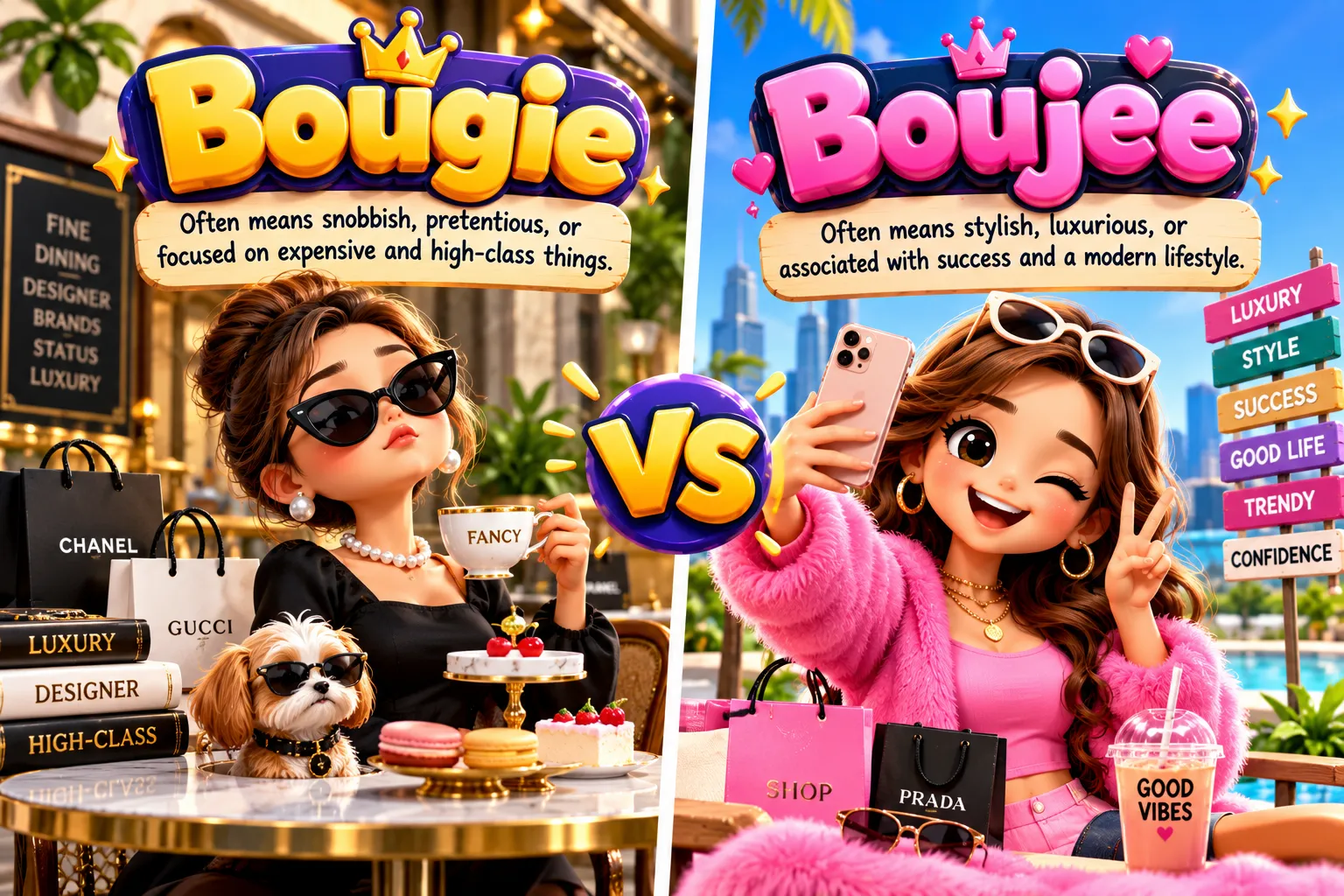
Bougie and boujee both describe someone or something that seems fancy, luxurious, or high class. Bougie often suggests being pretentious ...
Read more
Layed or Laid: The Easy Guide to the Correct Form
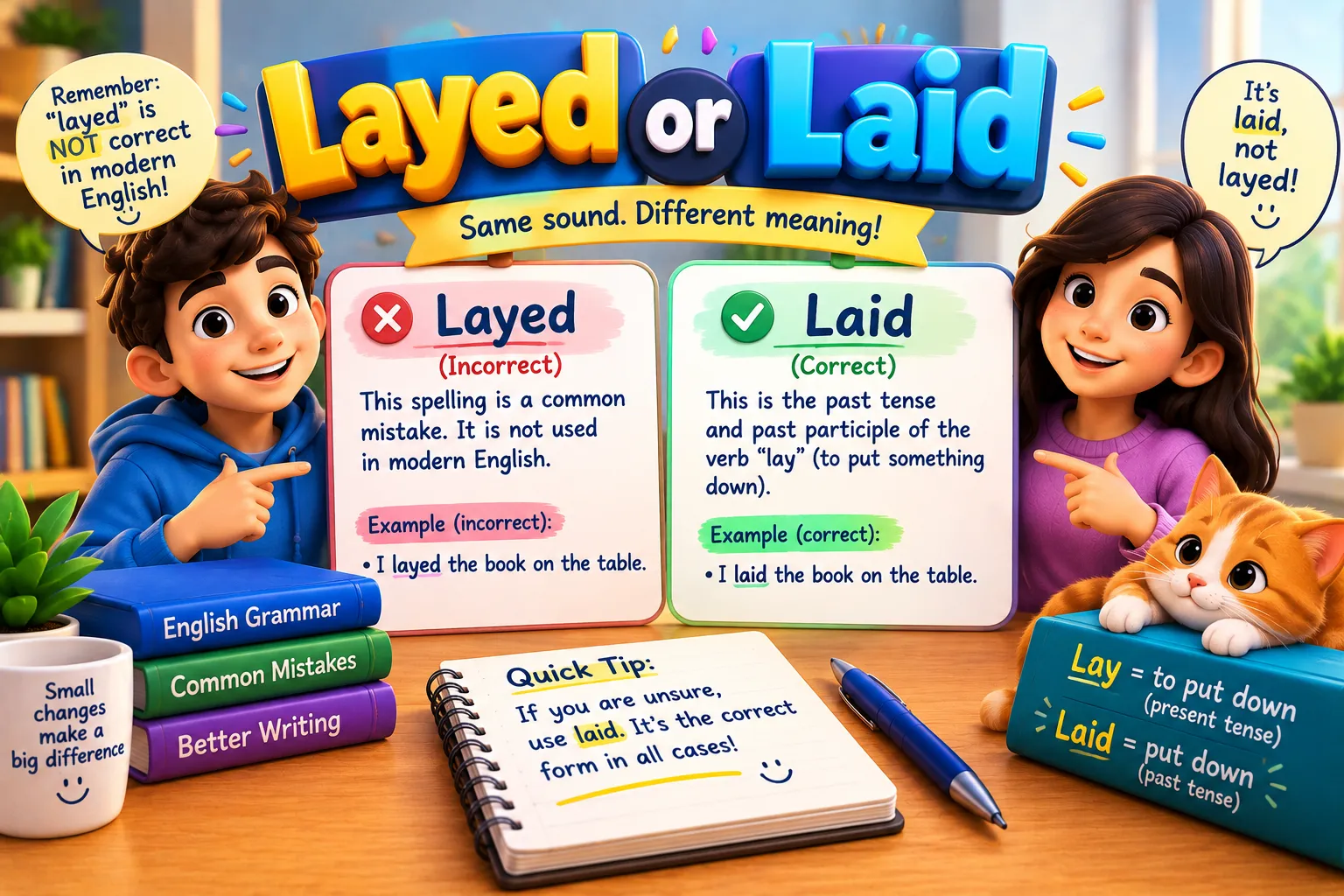
Laid is the standard past tense and past participle of lay, meaning to put or place something down. Layed is ...
Read more
Forty or Fourty: The Easy Spelling Guide
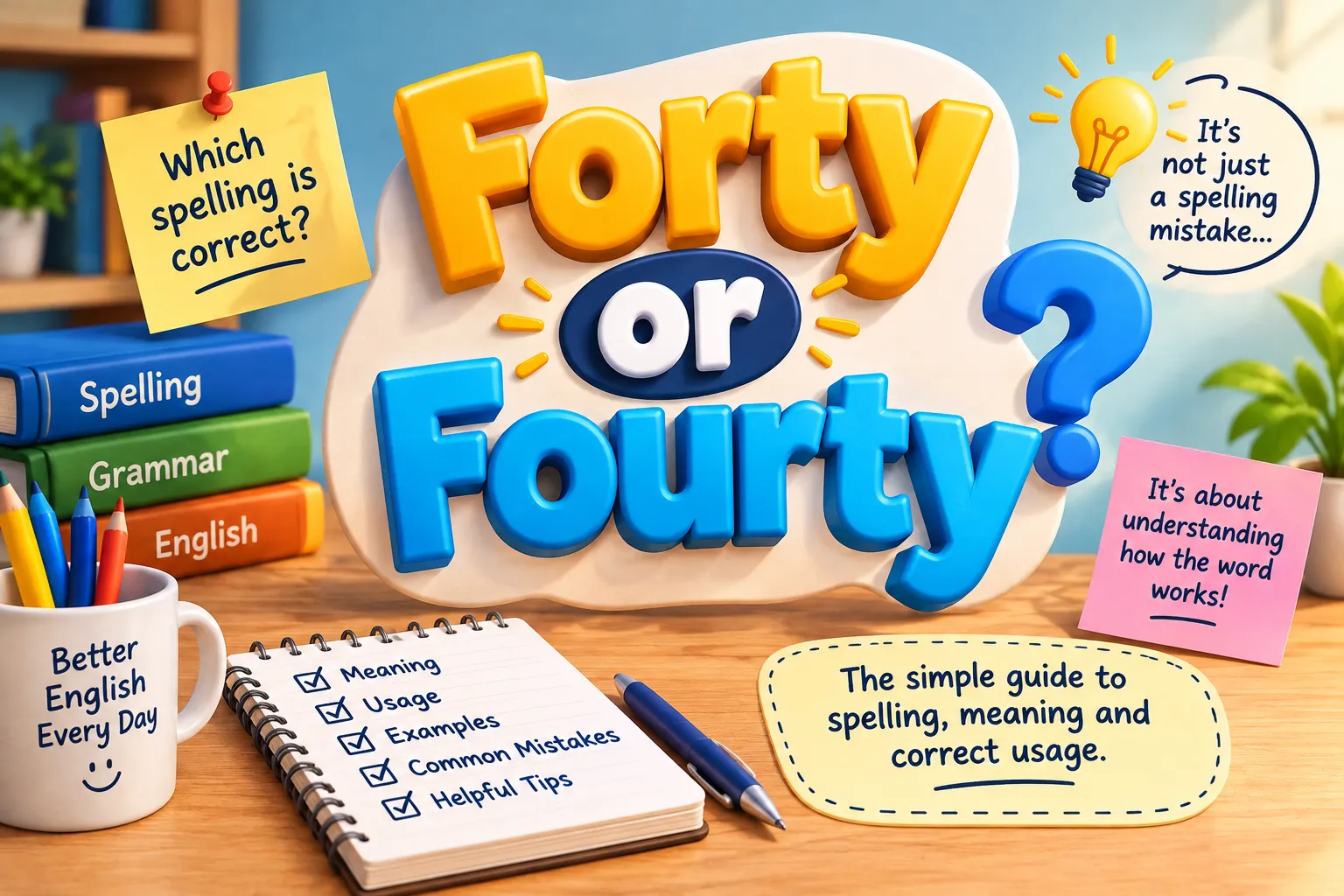
Forty is the correct spelling of the number 40; fourty is a common misspelling and should be avoided. Have you ...
Read more
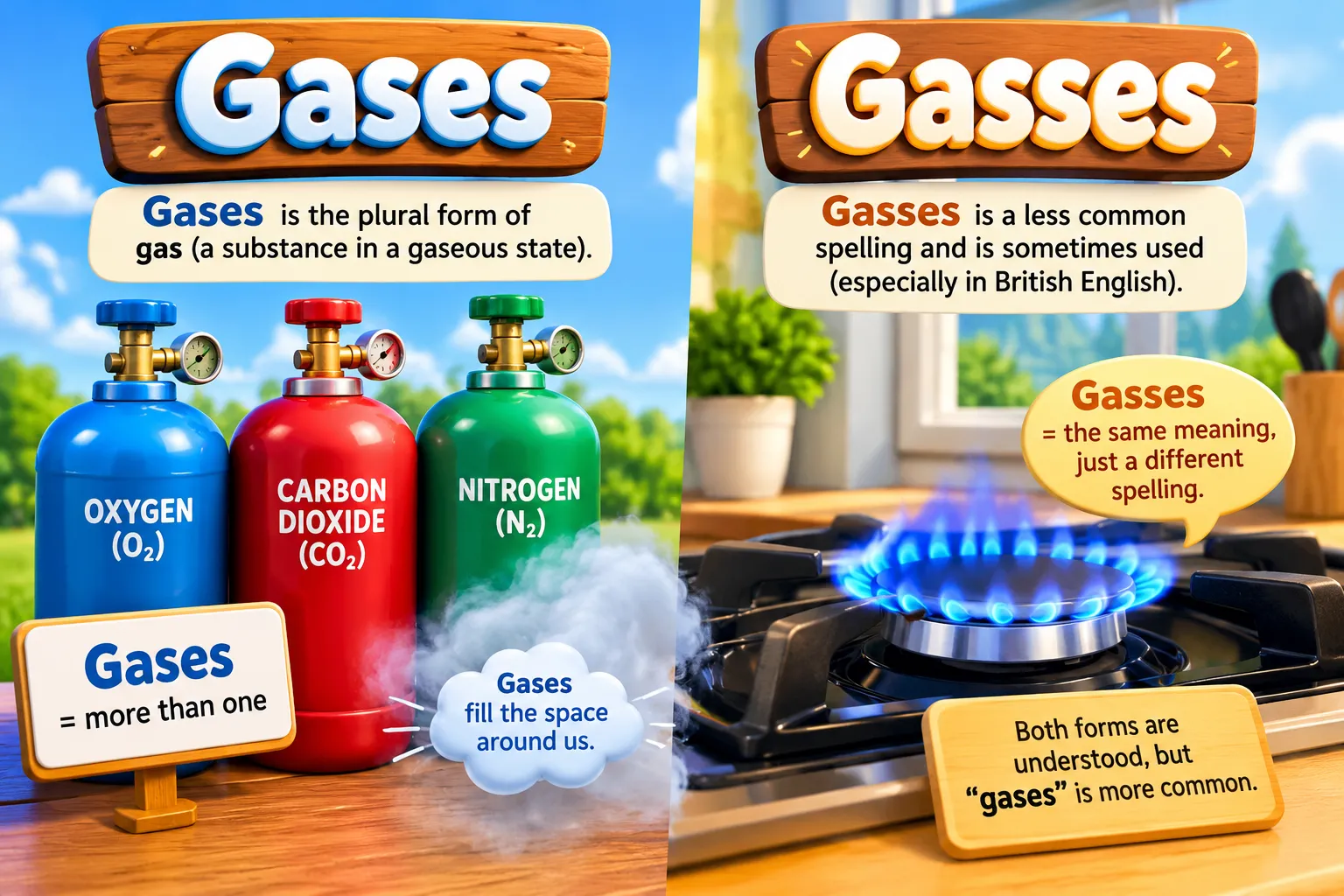
Gases or Gasses: Easy Guide to the Correct Spelling Gases and gasses are both accepted plurals of gas, but gases ...
Read more
Led or Lead: The Easy Guide to Correct Usage
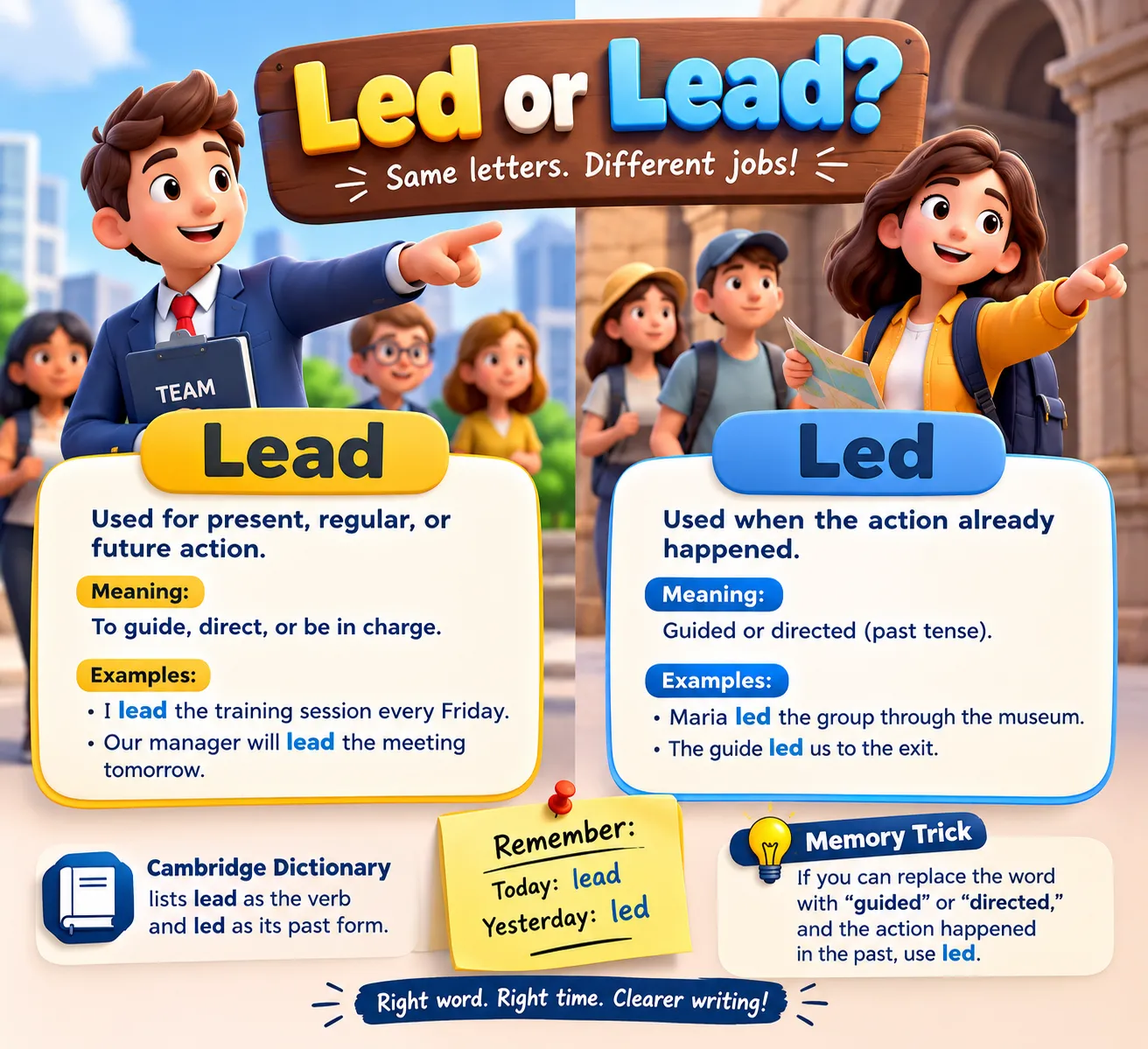
Led is the past tense and past participle of lead, while lead is usually the present-tense verb meaning to guide, ...
Read more
Its or It’s: The Complete Easy Guide
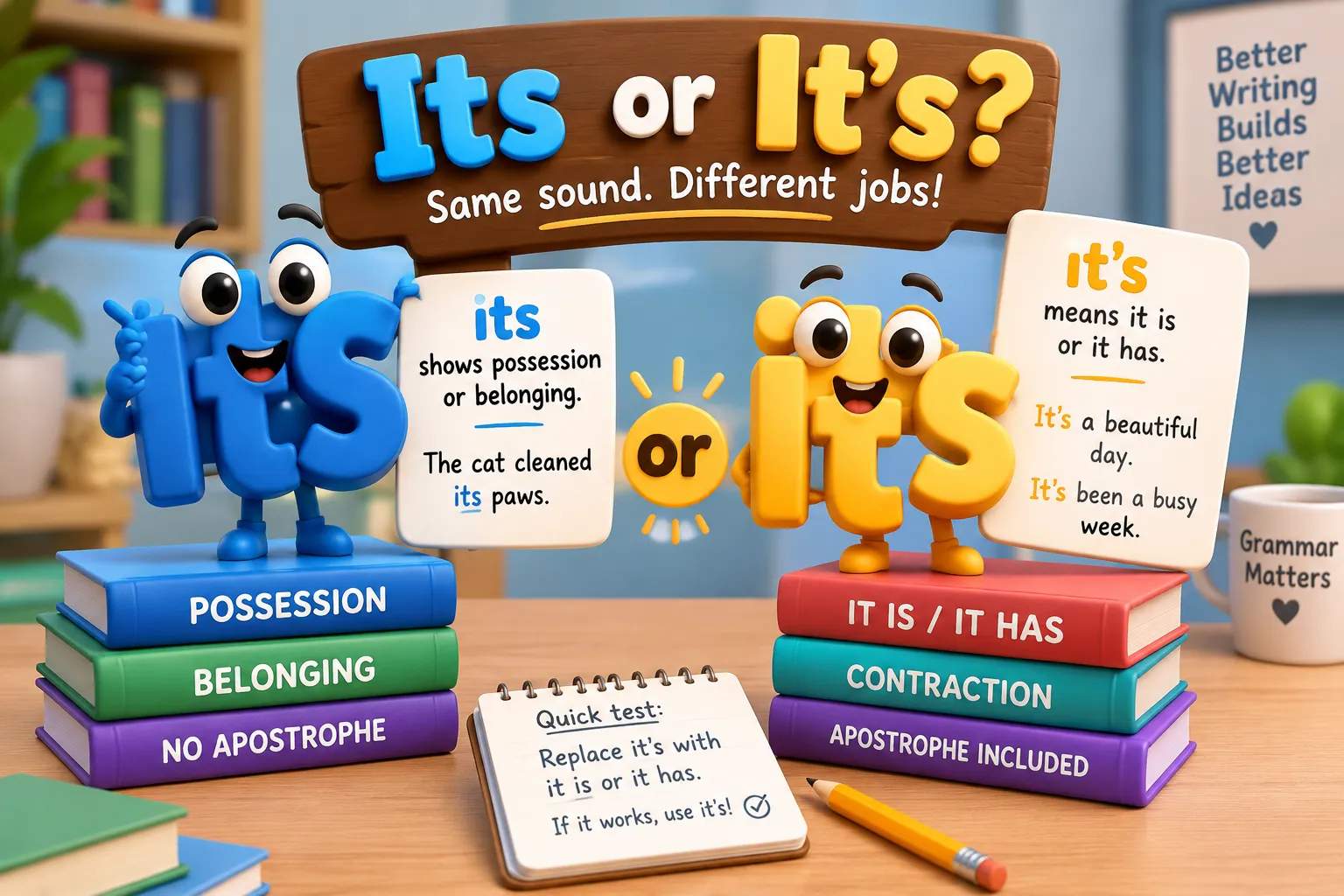
Its shows possession or belonging, while it’s is a contraction of it is or it has. Have you ever typed ...
Read more
Effect or Affect: The Easy Guide to Use Them Correctly
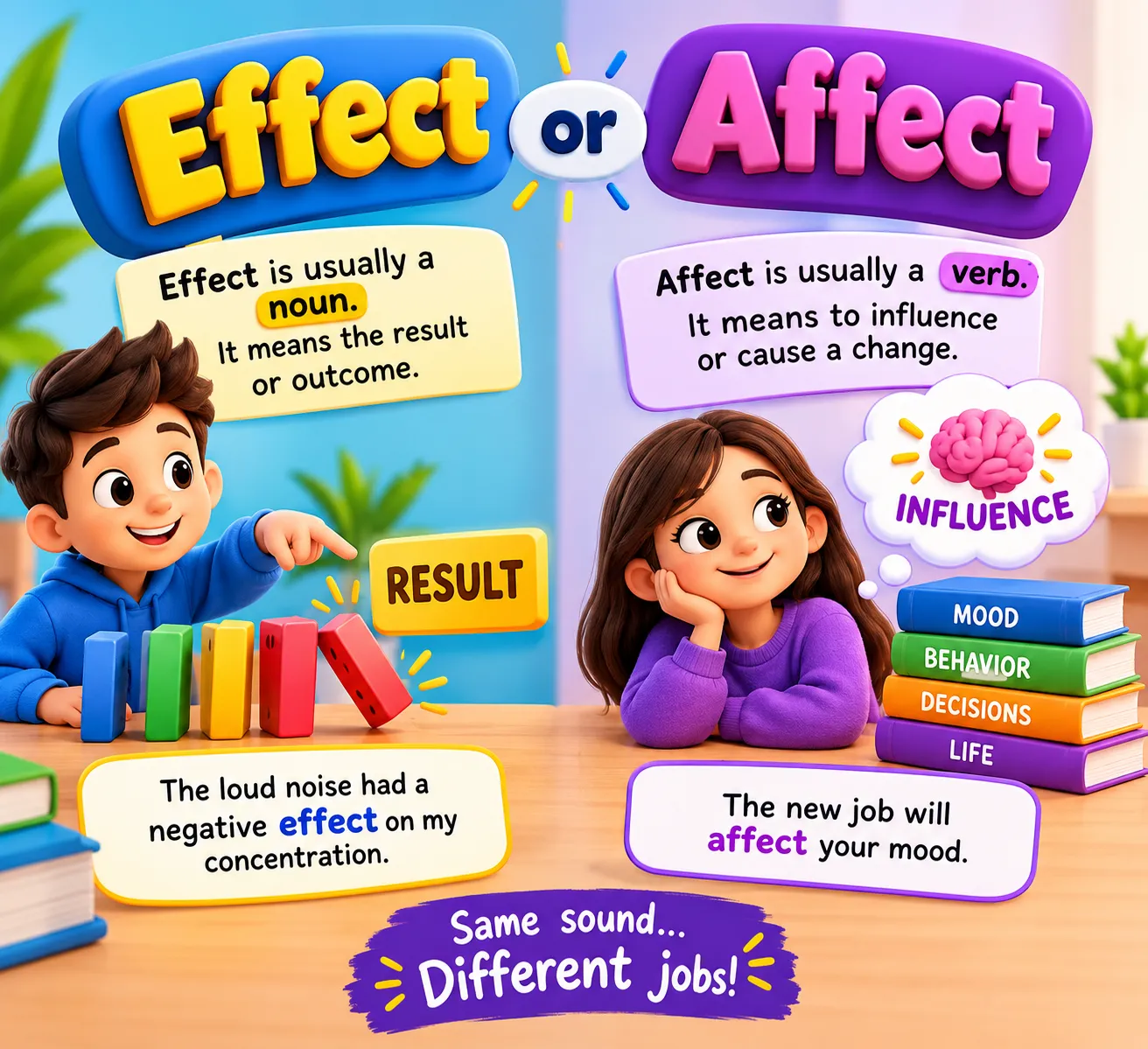
Affect is usually a verb meaning “to influence,” while effect is usually a noun meaning “the result” of that influence. ...
Read more
Curtsy or Curtsey: Complete Spelling & Usage Guide
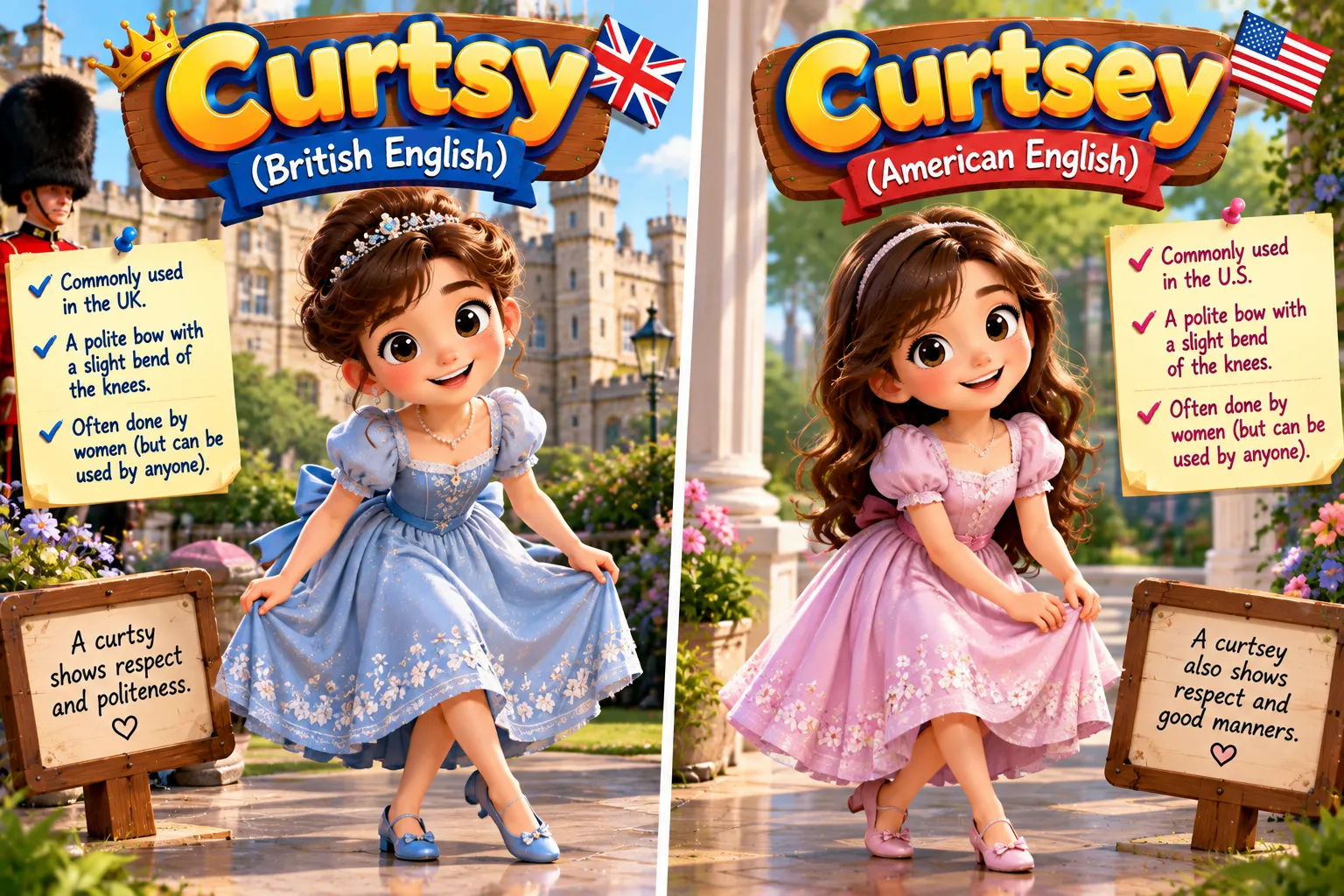
Curtsy and curtsey are both correct spellings for the same respectful gesture of bending the knees and lowering the body. ...
Read more










