Breath or Breathe: Easy Rules, Meanings & Examples
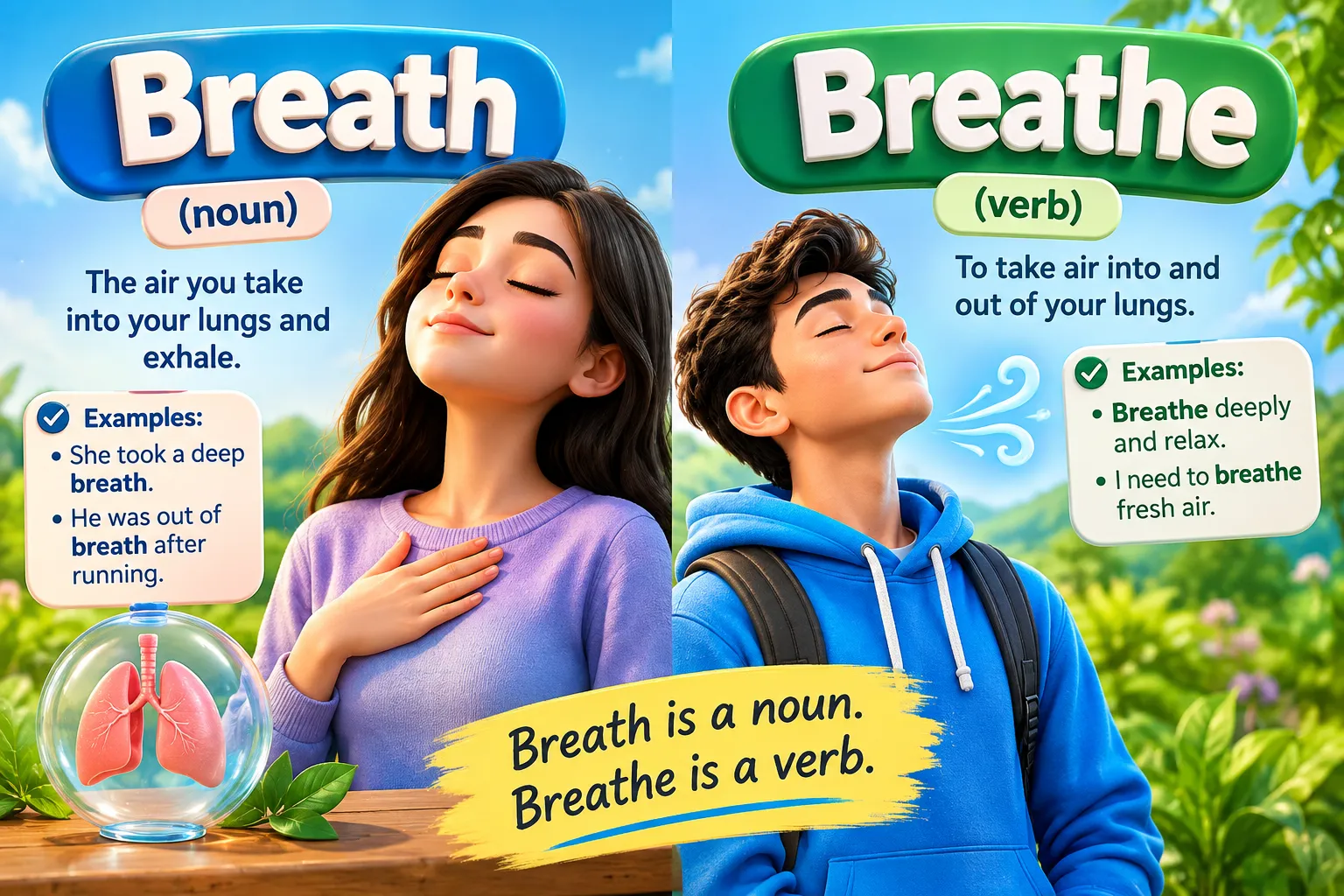
Breath is the air you take in and let out, while breathe is the verb meaning to take air into ...
Read more
Rain or Shine: Meaning, Origin & Easy Examples
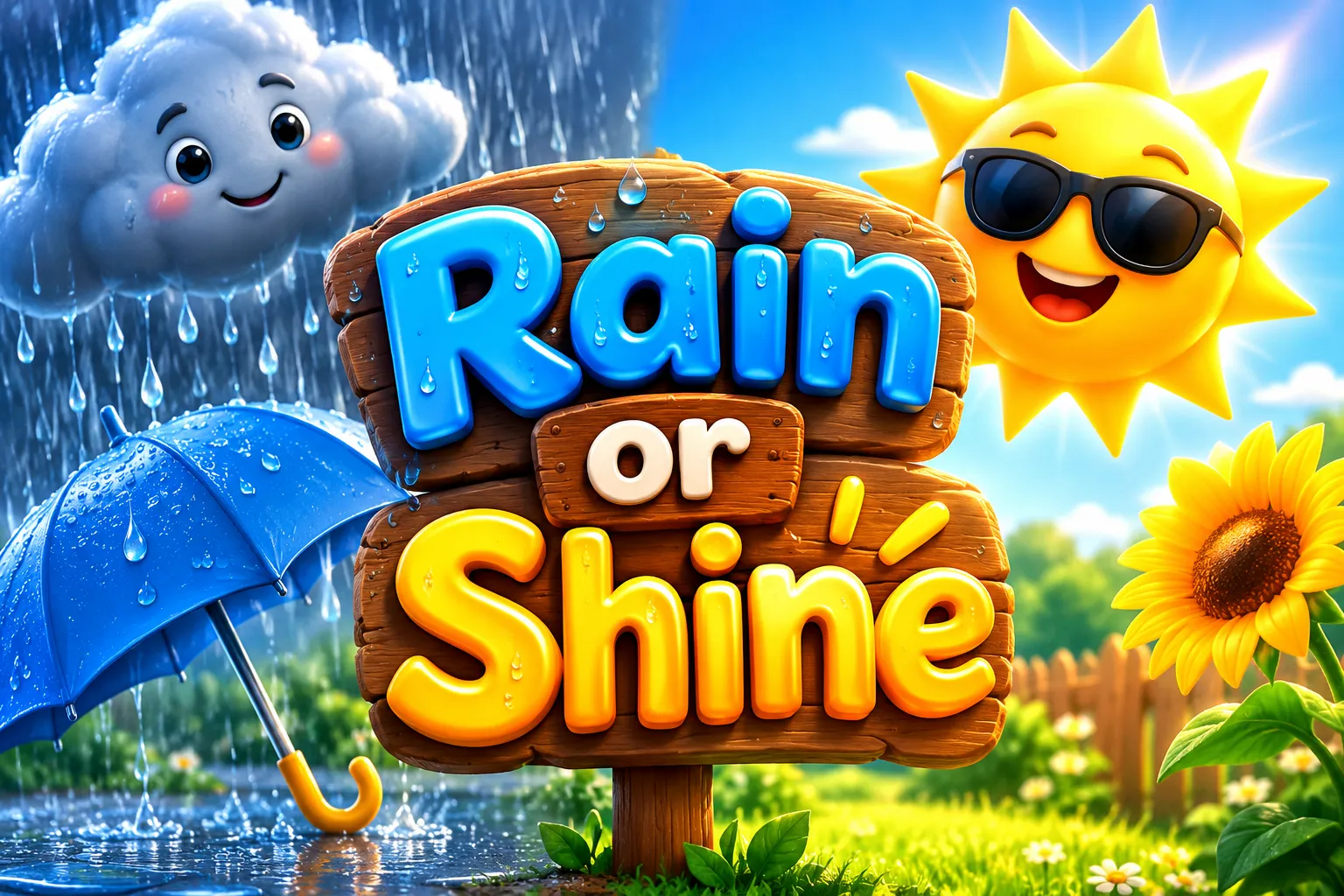
“Rain or shine” is a common English idiom meaning regardless of the weather or circumstances; something will happen no matter ...
Read more
Extinct or Alive: The Easy Guide to Their Meanings
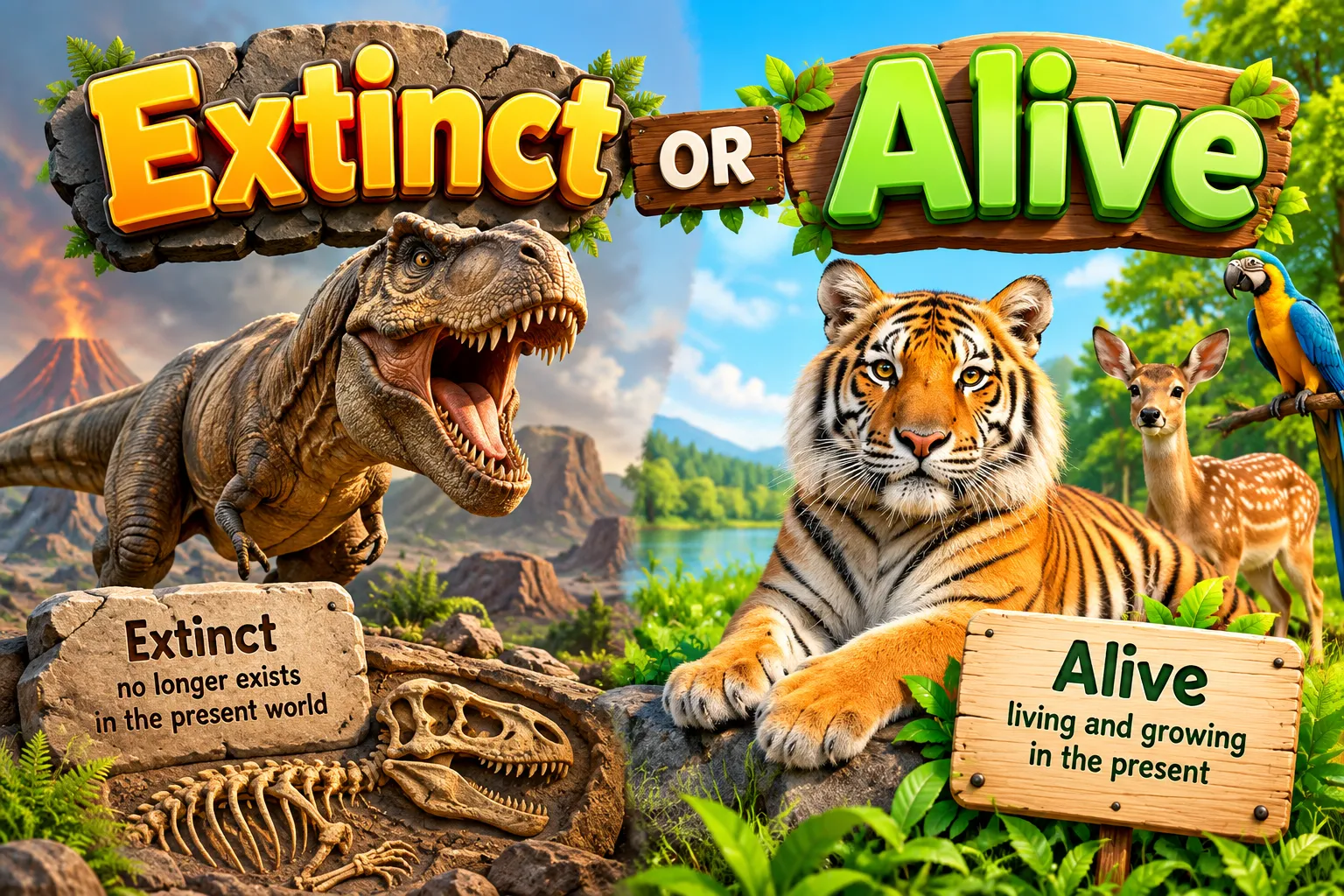
Extinct means a species, group, or thing no longer exists, while alive means living or still existing. “Extinct or alive?” ...
Read more
Laying or Lying: The Easy Guide to Correct Use
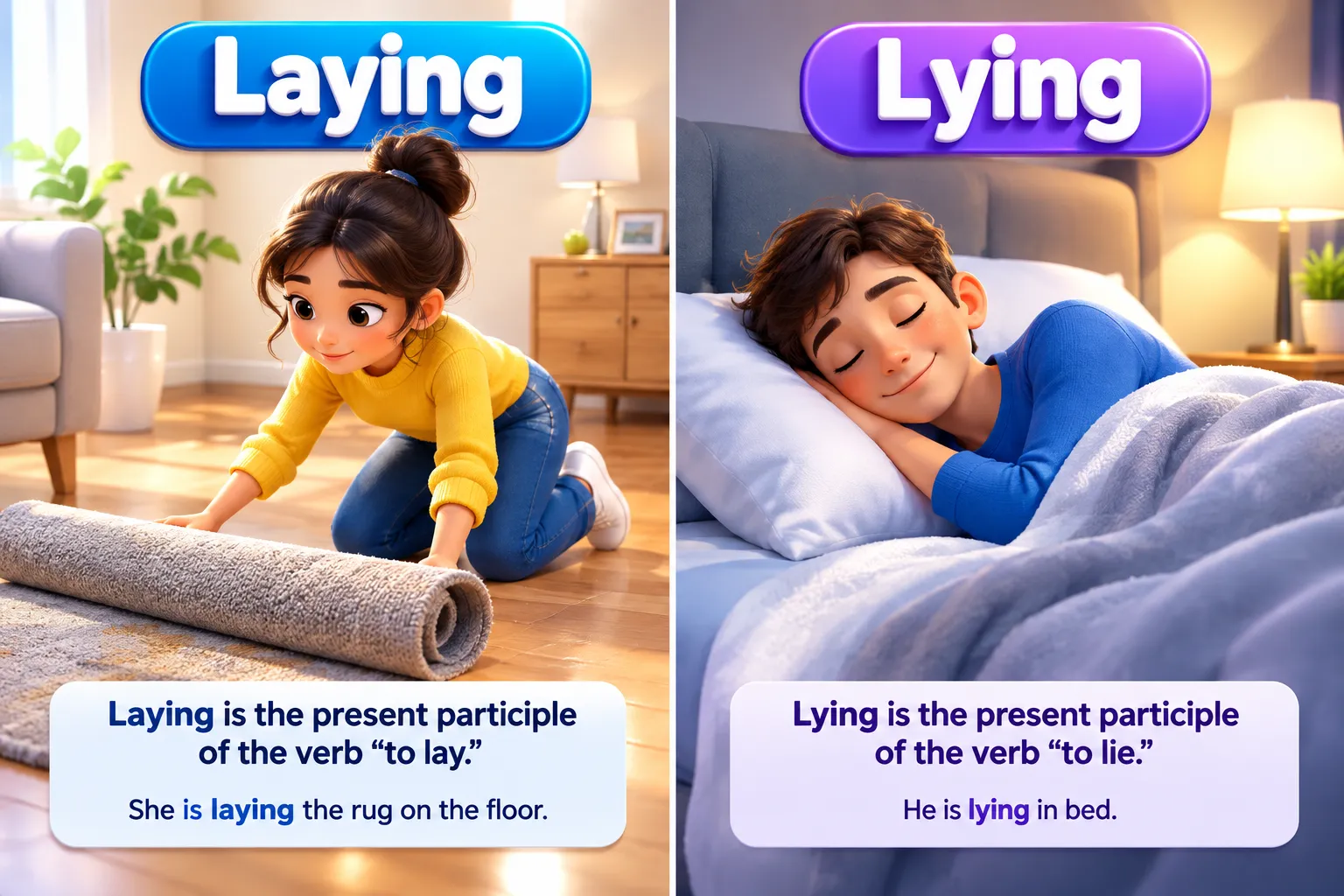
Laying means putting or placing something somewhere, while lying means being in a flat or resting position. Lying is also ...
Read more
Flier or Flyer: The Easy Guide to Correct Use
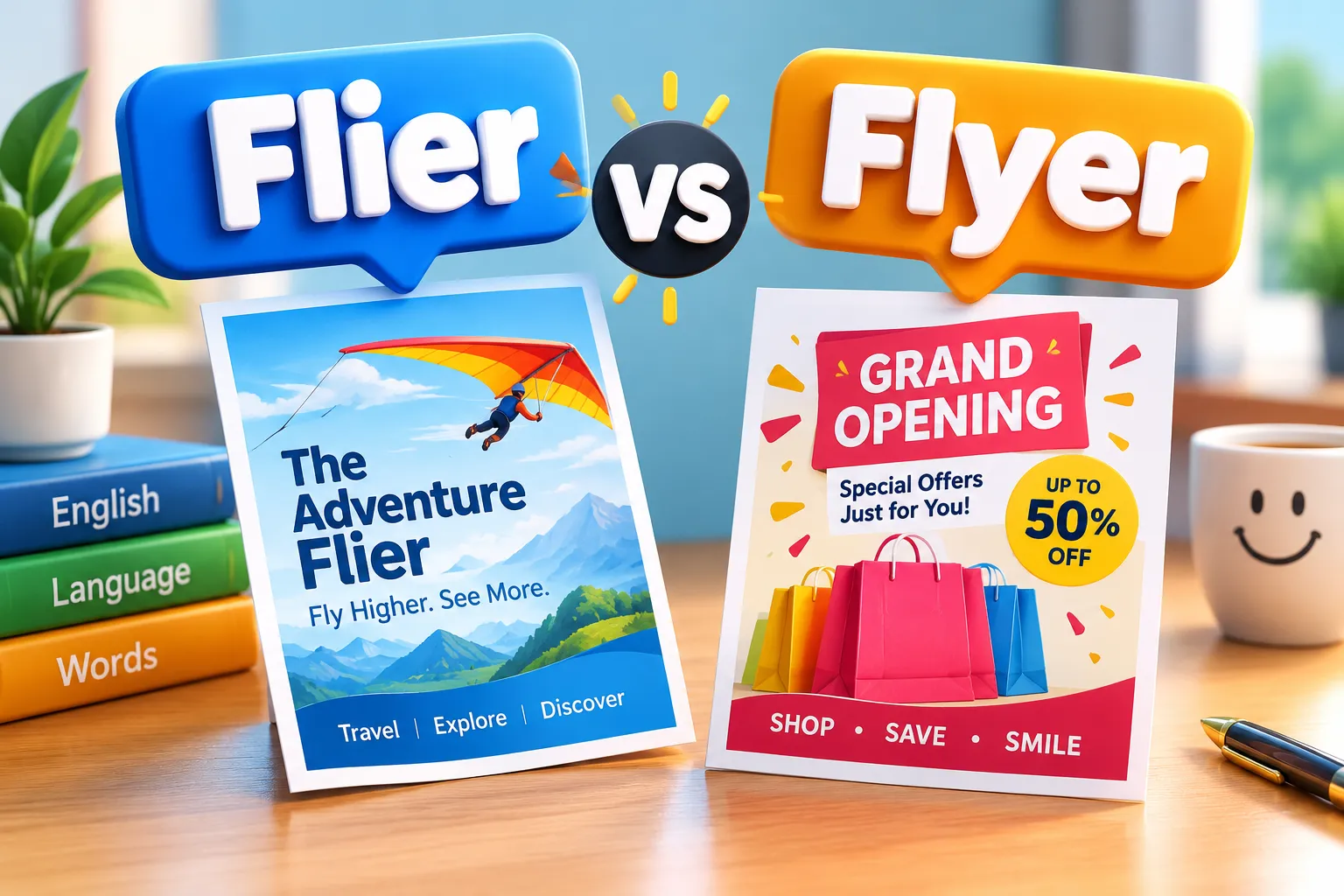
Flier and flyer are both correct spellings. Flyer is more common for a small advertising sheet, while flier is often ...
Read more
Your or You’re: The Easy Guide to Correct Use
Your shows possession or connection to someone, while you’re is the contraction of “you are.” Confusing your or you’re is ...
Read more
Affected or Effected: Learn the Difference Easily ✍️
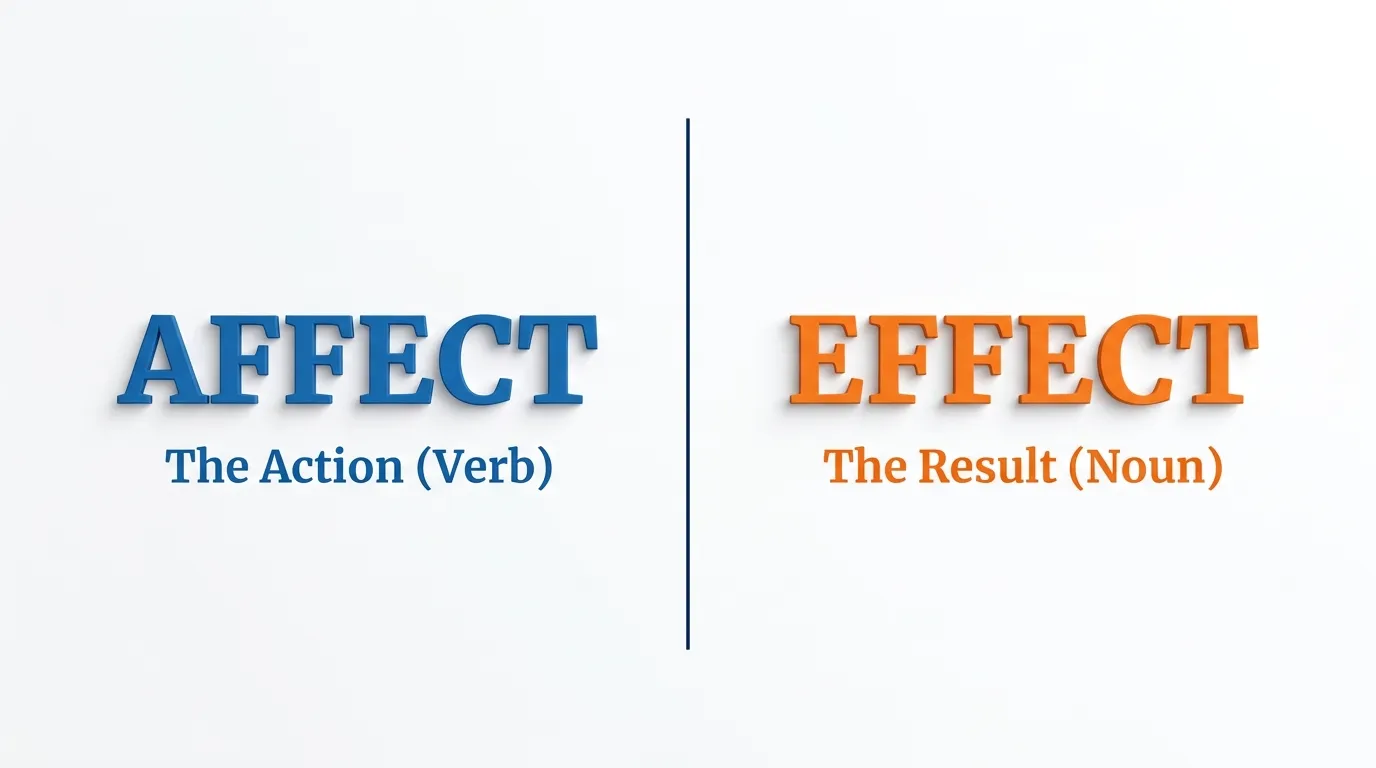
Affected is usually a verb meaning “influenced or changed.” Effected is usually a verb meaning “caused something to happen or ...
Read more
Granddad or Grandad: Which One Is Correct?
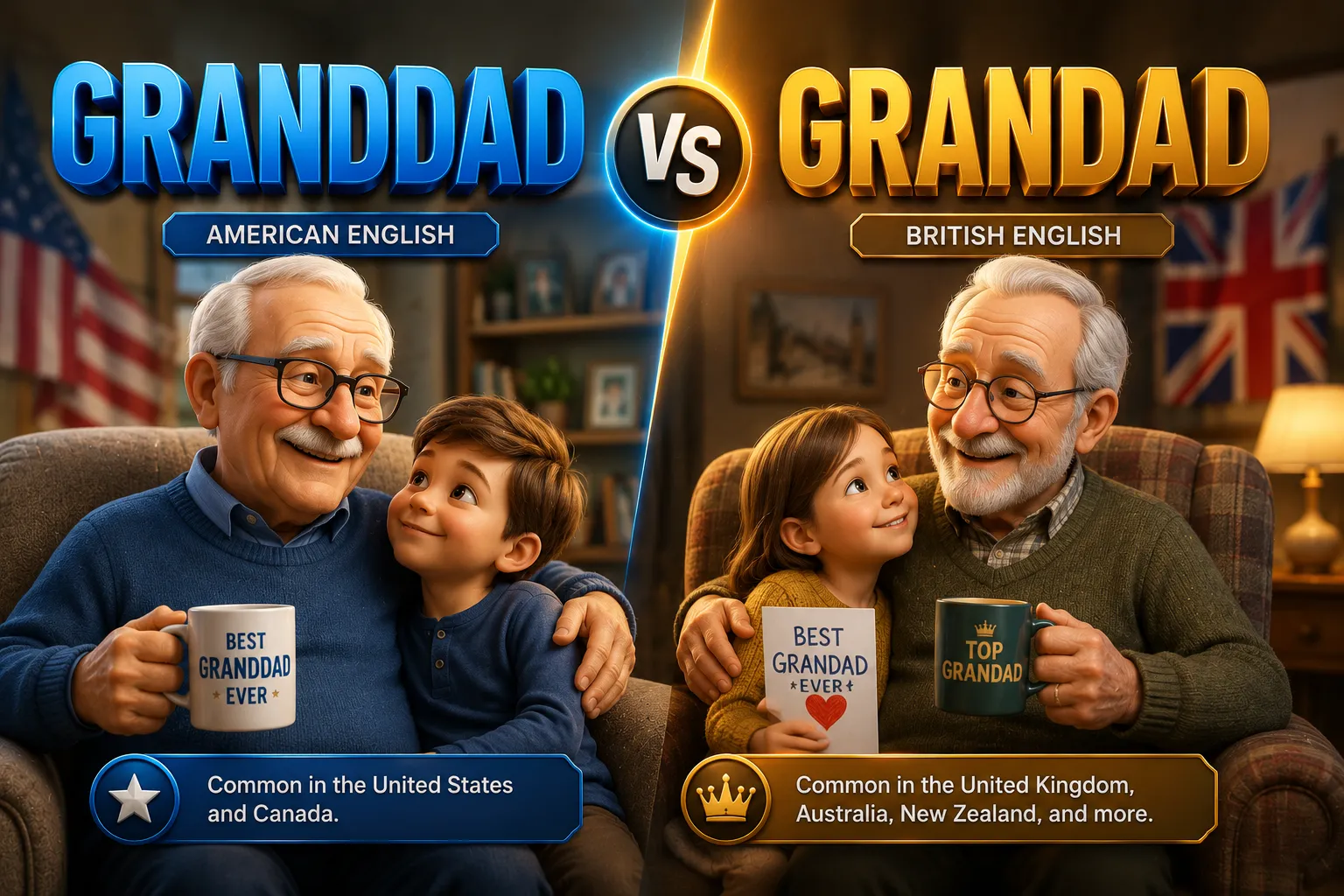
Both granddad and grandad are correct informal spellings of the same word. Grandad is more common in British English, while ...
Read more
Drug or Dragged: Which Is the Correct Past Tense of Drag?
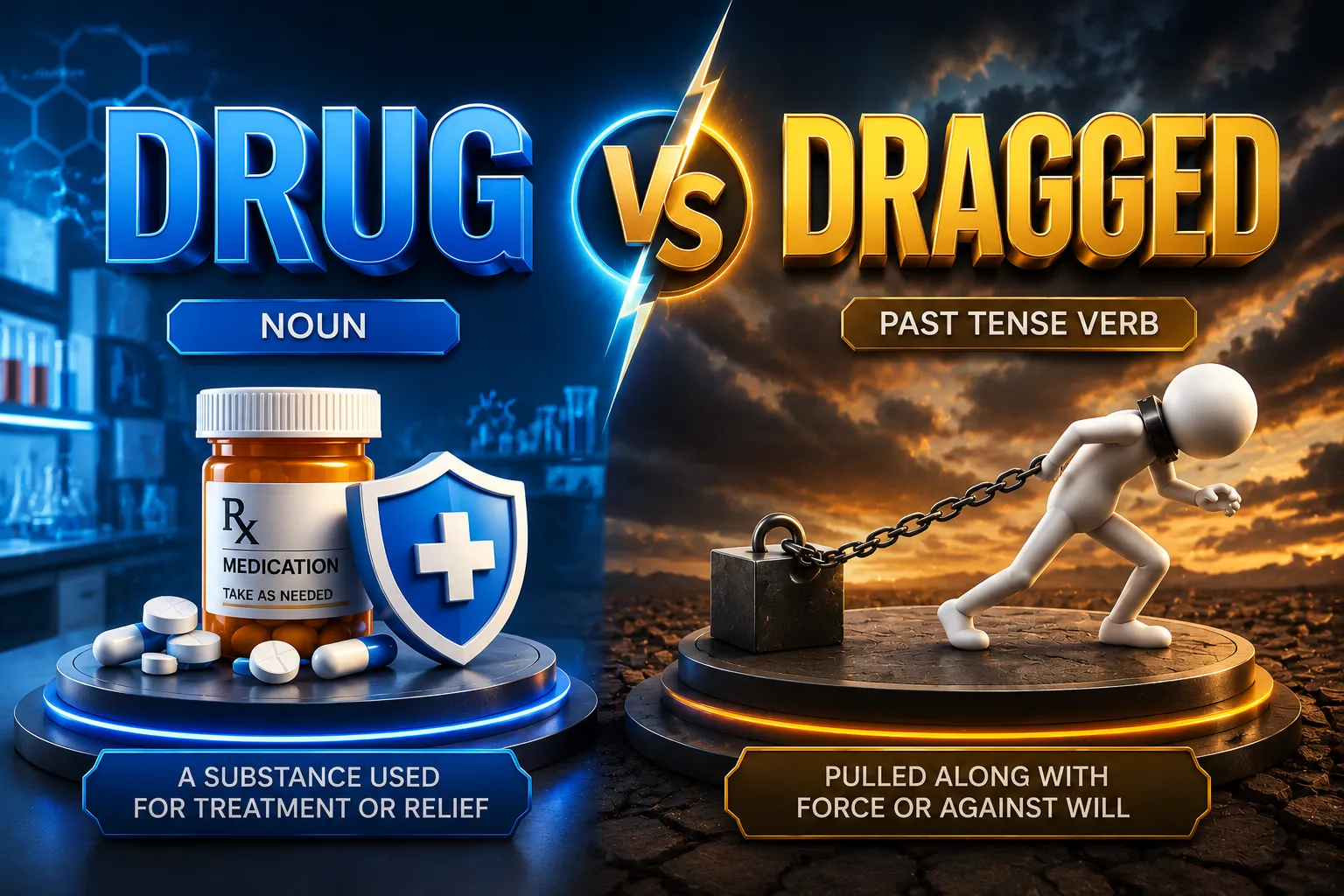
Drug and dragged are both past tense forms of drag, but they are not interchangeable in modern standard English. Dragged ...
Read more
Fav or Fave: Which One Is Correct?
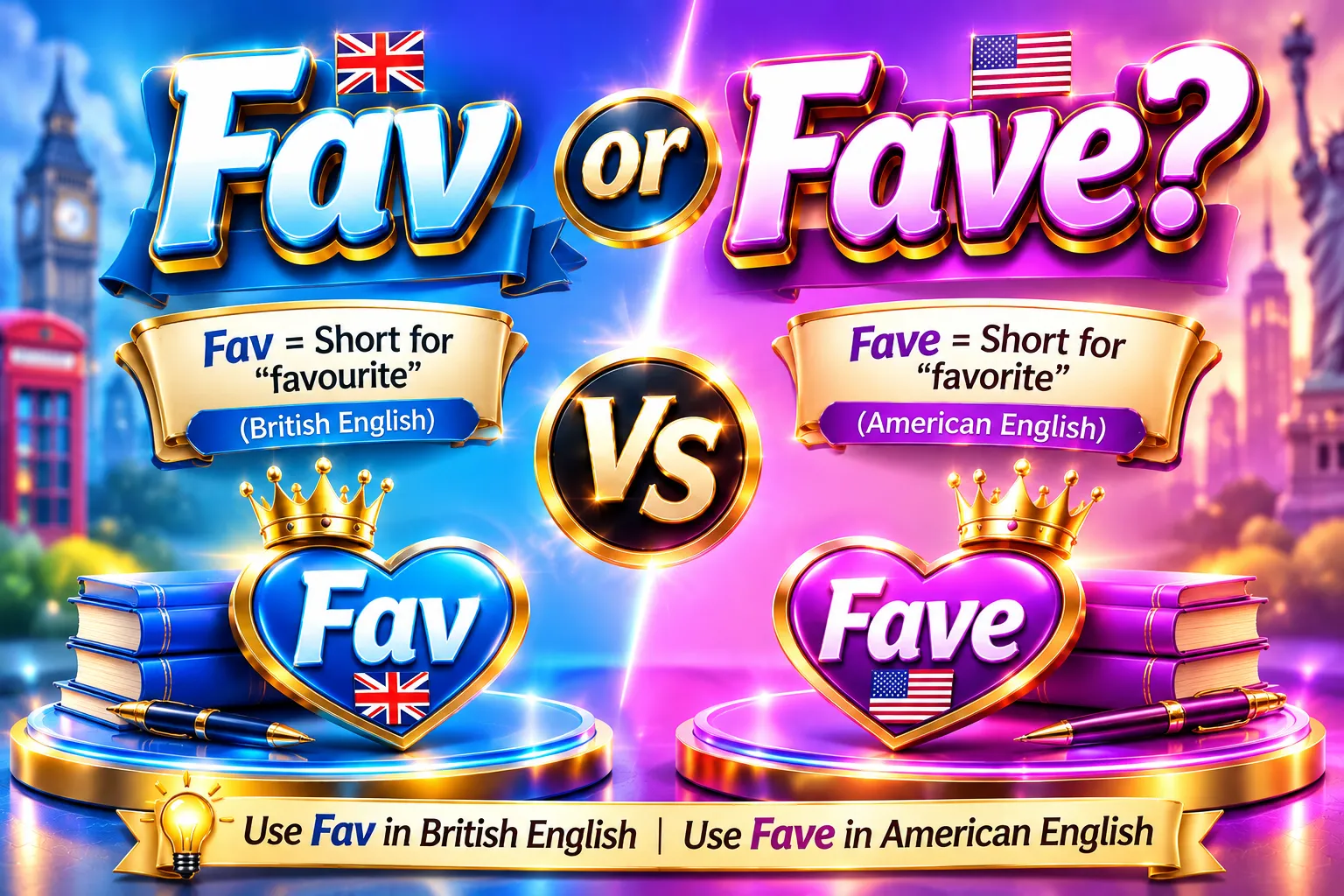
Fav and fave are both correct informal forms of favorite (or favourite in British English). Examples: Use fav or fave ...
Read more