Gauge is the standard spelling in modern English. Gage is a less common variant spelling and is usually found in older texts, specialized terminology, or proper names. In most everyday writing, gauge is the correct choice.
The first time I edited a technical article, I saw the phrase, “The machine was fitted with a pressure gage.” A few paragraphs later, another writer used gauge for the same device. The meaning was clear, but the spelling difference made me stop and check the style guide.
Many people wonder whether gage or gauge is correct because both spellings appear in books, product descriptions, engineering documents, and everyday writing. Since English spelling often preserves older forms alongside modern ones, it’s easy to see why this word causes confusion.
The good news is that gauge is the spelling most modern writers should use. Once you understand where gage appears and why gauge is preferred, you’ll know exactly which form belongs in your writing.
In this guide, you’ll learn the difference between gage and gauge, where the spellings come from, when each version is appropriate, common mistakes to avoid, and real-world examples.
Gage or Gauge Quick Answer
Use gauge in most modern English writing.
Use gage only in rare, specialized, historical, or proper-name contexts.
Simple examples
- The fuel gauge showed half full.
- Engineers gauge the thickness of the metal carefully.
- The old manuscript used the spelling gage.
In standard modern usage, gauge is the preferred spelling for both the noun and the verb.
The Origin and Background of Gage or Gauge
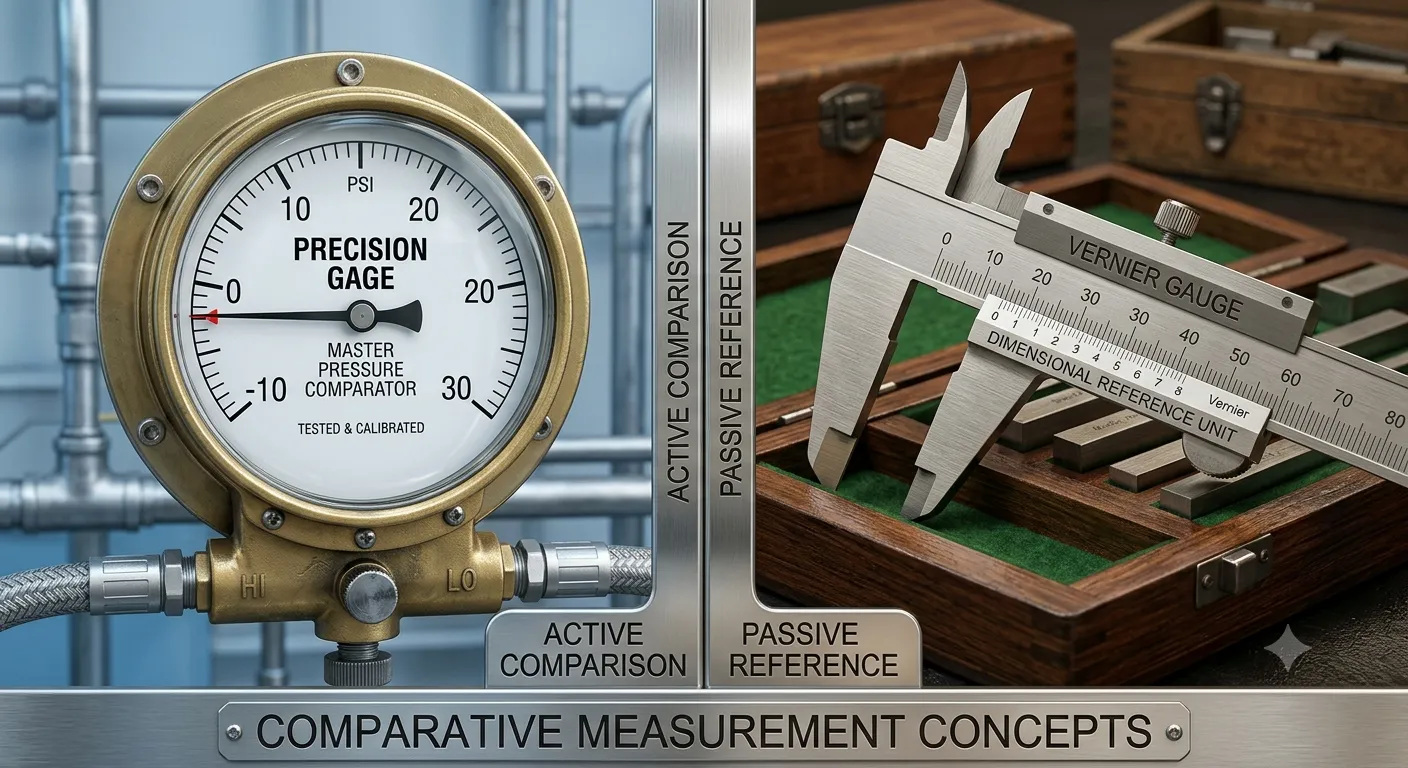
The word gauge has been used for centuries to mean a measuring device, a standard of measurement, or the act of estimating something.
Over time, English spelling became more standardized, and gauge emerged as the dominant modern form. The shorter spelling gage survived in some older texts and specialized uses, but it is much less common today.
In modern English, gauge can mean:
- A measuring instrument
- A standard or level of measurement
- The act of estimating or judging something
- The thickness or size of material, especially in engineering or manufacturing
The spelling gage may still appear in historical writing, legacy terminology, or names, but gauge is the form most readers expect.
Gage or Gauge Explained Key Differences
The difference is mainly about standard usage, not meaning.
| Term | Meaning | When to Use | Region/Context |
| Gauge | Measuring device, standard of measurement, or the act of estimating | Use in modern general writing | Worldwide |
| Gage | Variant spelling of gauge; also appears in older or specialized usage | Use only in historical, technical, or proper-name contexts | Rare, specialized, or historical |
Examples of Gauge
- The dashboard gauge showed the car was low on fuel.
- We need to gauge the audience’s reaction before launching the campaign.
- The wire is a smaller gauge than the one we used before.
Examples of Gage
- The museum displayed an antique gage from the 1800s.
- The old text preserved the spelling gage.
- Some legacy technical documents may still use gage.
Which Version Should You Use?
The answer depends on your audience and writing style, but in most cases the choice is simple.
For students
Use gauge in essays, homework, and exams unless your teacher specifically asks you to quote an older source that uses gage.
For professionals
Match the spelling to your style guide, publication, or industry standard.
- Modern business writing → gauge
- Technical writing → gauge in most cases
- Historical quotation or legacy term → gage if the source uses it
Examples:
- The team will gauge customer interest before the product launch.
- The technician checked the gauge on the machine.
For everyday writing
Use gauge. It is the spelling most readers recognize and expect.
For creative writing
Use gauge unless you are quoting a historical document, preserving an old-fashioned voice, or referring to a proper name that uses gage.
Common Mistakes with Gage or Gauge
| Mistake | Correct Version | Why It Happens |
| The fuel gage showed empty. | The fuel gauge showed empty. | Gauge is the standard modern spelling. |
| We need to gage the situation. | We need to gauge the situation. | The verb is normally spelled gauge. |
| Mixing gage and gauge randomly | Stay consistent | Inconsistent spelling looks unpolished. |
| Assuming gage is always wrong | Gauge is preferred, but gage appears in rare contexts | Some older or specialized uses still exist. |
| Writing gaged instead of gauged | Gauged | The standard past tense is gauged. |
Gage or Gauge in Real-World Examples
Professional Email
“Please check the temperature gauge before starting the equipment.”
News Headline
“Analysts Gauge Public Reaction to the New Policy”
Social Media Post
“I love the vintage gauge on this old motorcycle!”
Formal Report
“The engineer used a pressure gauge to verify the system was operating safely.”
Gage or Gauge Data, Trends & Usage
Many people search for gage or gauge because the spelling looks similar and older sources sometimes use both forms.
Most common search intent
- Informational
- Spelling help
- English usage
- Technical vocabulary
- Measurement terminology
- Grammar and style guidance
Regions with high interest
- United States
- United Kingdom
- Canada
- Australia
- India
Why this topic matters now
Modern writing appears in product listings, technical manuals, engineering documents, and online content. Using gauge helps your writing look current, clear, and professional. Knowing when gage appears can also help you understand older texts and specialized terminology.
Comparison Table
| Term/Variant | Meaning | Region/Context | Best Used When |
| Gauge | Measuring device, standard, or verb meaning to estimate | Worldwide | Modern general, technical, and formal writing |
| Gage | Variant spelling of gauge | Rare, historical, or specialized | Quoting older sources or using legacy terminology |
| Gauged | Past tense of gauge | Worldwide | Describing a completed action |
| Gaged | Rare variant spelling | Uncommon | Avoid in modern standard writing |
Frequently Asked Questions
Q: What does gauge mean?
A: Gauge can refer to a measuring device, a standard of measurement, or the act of estimating or judging something.
Q: What does gage mean?
A: Gage is a less common variant spelling of gauge. It may also appear in older or specialized contexts.
Q: Gage vs gauge what’s the difference?
A: The meaning is usually the same, but gauge is the standard modern spelling, while gage is a rare variant.
Q: Is gage correct in formal writing?
A: Usually no. In most formal modern writing, gauge is preferred. Gage may be acceptable only in historical quotations or specialized terms.
Q: Is gauge correct in formal writing?
A: Yes. Gauge is the standard spelling in formal, academic, technical, and everyday writing.
Q: Which version is correct gage or gauge?
A: Gauge is the correct choice for most modern writing. Gage is a variant spelling used in limited contexts.
Q: Can I use gage and gauge interchangeably?
A: Not if you want to follow modern standard usage. Choose gauge unless you are preserving an older spelling or using a fixed term that requires gage.
Q: Is gage old-fashioned?
A: Yes, in many contexts it is considered older or less common than gauge.
Q: What is the past tense of gauge?
A: The past tense is gauged.
Q: Which spelling is better for SEO?
A: If you’re writing online, gauge is usually the better choice because it is more common in modern search queries and published content.
Conclusion
Choosing between gage or gauge is simple once you know the modern standard. Gauge is the preferred spelling in most English writing, whether you’re referring to a measuring device or the act of estimating something. Gage is a less common variant that appears mainly in historical, specialized, or proper-name contexts.
Remember these key points:
- Gauge is the standard modern spelling.
- Gage is a rare variant spelling.
- Use gauge in most formal, academic, and everyday writing.
- Use gaged only if you are quoting a source that uses it; otherwise, write gauged.
- Stay consistent throughout your writing.
With this simple rule, you’ll never second-guess the spelling again. Bookmark this guide so you always remember the difference between “gage” and “gauge,” and share it with anyone learning English or working with technical writing.
Read More:
Koozie or Coozie: The Complete Guide to the Correct Spelling

I specialize in English grammar, spelling, word choice, and language usage. My content is based on research from grammar references, style guides, dictionaries, and real-world usage to ensure it is accurate and practical.
At Spelling Comparison, I write guides that explain why words are confused, how they are used, and which form is correct in context. I also include proofreading tips, examples, and writing advice readers can apply immediately.
My goal is to publish clear, reliable content that helps readers make better writing decisions. Each guide is written for accuracy, clarity, and usefulness in school, work, business, and everyday communication.